
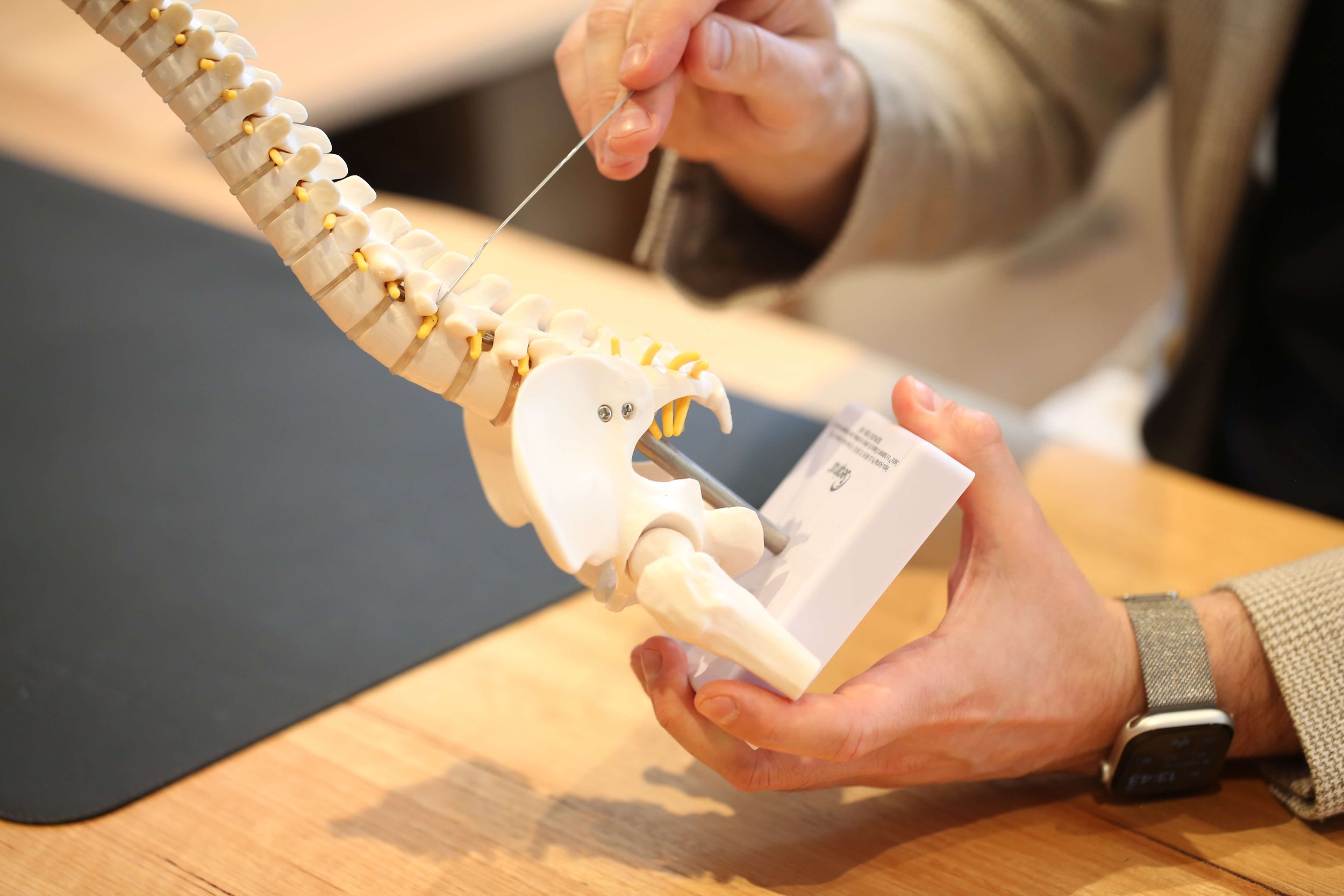

PAIN SPECIALIST SERVICES
Perth, Western Australia
We provide specialist pain medicine assessment and interventional treatments for people living with persistent or complex pain in Perth and across Western Australia.
Our focus is on understanding why pain is occurring, how it affects your daily life, and whether targeted treatments or procedures are likely to help.

Who This Service Is For
You may benefit from a pain specialist consultation if you have:
Chronic lower back or neck pain that has not responded to conservative treatments
Migraine
Chronic joint pain e.g. shoulder, knee
Nerve pain (shooting, burning, or tingling pain)
Pain after surgery or injury
Pain that has not improved with usual treatments
Pain affecting your ability to work or function
What Happens at a Pain Specialist Appointment
Your appointment focuses on a specialist pain assessment, including:
A detailed discussion of your pain and other relevant history
Review of previous treatments and investigations
Understanding how pain affects your daily activities and work
Discussion of possible treatment options
Mental health factors are considered when they affect pain or treatment planning. However, ongoing mental healthcare is usually provided by your GP, psychiatrist or psychologist.

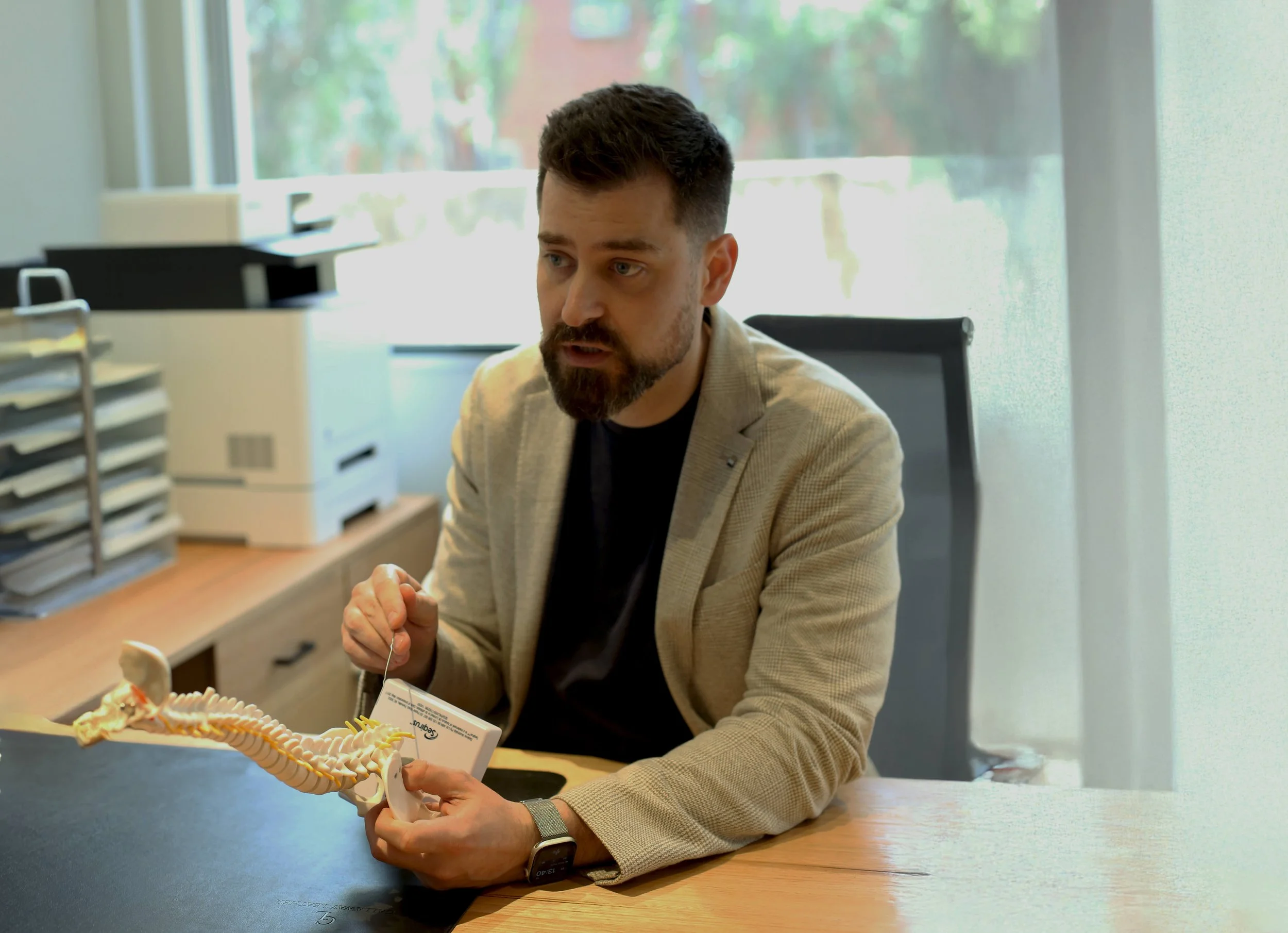
WHAT THIS CLINIC DOES NOT DO
To avoid confusion:
We do not provide ongoing general psychiatric care
We do not offer long-term psychotherapy
We do not take over routine mental health medication management
We do not offer procedures that are unlikely to help
We do not take over long-term opioid prescribing
We do not prescribe any morphine-like or injectable opioids
We do not prescribe benzodiazepines
REFERRAL
You will need a referral from your GP or another medical specialist to attend. Referrals for pain assessment, procedures, and second opinions are considered.
More information for referrers is available on the Referrer Information page.
Frequently Asked Questions (FAQs)
ABOUT THIS CLINIC
-
This clinic specialises in pain medicine. That means a qualified specialist pain medicine physician assessing and treating persistent or complex pain, and offering targeted pain treatments, including medications, procedures or non-medical recommendations where appropriate.
The focus is on:
Understanding the cause of your pain
Improving function and quality of life
Helping you decide what treatments are likely to help
-
This is a specialist pain medicine practice.
We see patients who:
Have ongoing pain that has not improved with usual care such as self-management, physiotherapy, GP treatment or other general approaches
Are being considered for pain procedures
Need a specialist opinion about complex pain problems, treatment options including medications and procedures
-
Yes. You will need a referral from your GP or another medical specialist to attend this clinic and access Medicare rebates.
APPOINTMENTS & ASSESSMENT
-
Your first appointment is a detailed pain assessment. This usually includes:
A thorough assessment of your pain history
Reviewing previous investigations and treatments
Understanding how pain affects your daily life and work
Discussing further investigations where necessary
Discussing the diagnosis
Outlining possible treatment options
No procedures are undertaken during the first appointment.
Decisions about all treatments, including but not limited to procedures, are made carefully and in collaboration with you.
-
Yes. Imaging and test results are reviewed in the context of your pain, to help guide treatment decisions.
Please ensure that you bring all previous scans/reports to your appointment.
-
Mental health factors (such as stress, anxiety, depression, or trauma) may be assessed, if this is requested on the referral, because of their potentially significant effect on pain and recovery.
However:
This clinic does not provide ongoing psychiatric management
This clinic does not provide psychotherapy
Ongoing mental health treatment is usually managed by your GP, general psychiatrist, and/or psychologist
We may make recommendations or liaise with your existing treating team if needed, although Dr Tannenbaum is not accepting referrals for long-term psychiatric management.
PAIN PROCEDURES
-
Yes, where appropriate. All recommended treatments, alternatives, goals, benefits and risks will be discussed in detail.
Procedures may include:
Facet joint injections and radiofrequency neurotomies for spinal pain
Nerve or joint injections
Epidural and other spinal injections
Radiofrequency procedures for selected conditions
Procedures are offered only when they are likely to help and as one element of a broader pain management plan.
-
No. Not everyone benefits from procedures.
If a procedure is unlikely to help you, this will be explained clearly, and all other options will be discussed.
-
All procedures carry some risk. The risks and benefits are discussed carefully before any procedure is recommended.
MEDICATIONS
-
We will review your pain medications and provide advice about:
Optimising pain relief
Reducing side effects
Improving medication safety
-
Usually, no, at least not directly, because Dr Tannenbaum does not accept patients for long-term psychiatric care.
Psychiatric medications (such as antidepressants or mood stabilisers) are normally prescribed and managed by your GP or psychiatrist. However, many medications used in psychiatry are also commonly indicated and useful in pain-related disorders due to the interrelated neurobiology and other common factors.
If pain and mental health treatments overlap, we may discuss this with you and provide written advice to your usual prescriber. -
Long-term opioid prescribing is not a routine part of this practice. Opioids are reviewed carefully because of their risks and limited long-term benefit for many pain conditions.
FUNCTION, WORK & RECOVERY
-
No. A key goal is improving function, such as:
Daily activities
Work participation
Physical capacity
Pain reduction is important, but improving how you live with and manage pain is arguably much more important.
-
Yes. We often work alongside:
Your GP
Physiotherapists
Exercise physiologists
Psychologists
General psychiatrists
Rehabilitation providers
Care is most effective when everyone is working together.
INJURY, TRAUMA & COMPENSATION
-
Yes. We see patients with:
Workers’ compensation injuries
Motor vehicle accident injuries
Other compensable pain conditions
-
Some people experience pain after injury or trauma where stress or trauma symptoms affect recovery.
We assess how this affects pain and treatment decisions, but ongoing treatment of PTSD or other mental health conditions is usually provided by your GP, psychiatrists or psychologists.
WHAT THIS CLINIC DOES NOT DO
-
Provide ongoing general psychiatric care
Offer long-term psychotherapy
Take over routine mental health medication management
Offer pain procedures that are unlikely to help
Take over long-term opioid prescribing or prescribe any typical (morphine-like) or injectable opioids
HOW DO I BOOK
-
Once a referral is received, the clinic will contact you regarding appointment options.
If you have questions about referrals, your GP can find more information on the Referrer Information page.
Need more information?
If you are unsure whether this clinic is right for you, speak with your GP or referring doctor, who can help guide you, or contact us for more information.