

The Relationship between Pain and Mood
Chronic pain and mood are closely connected. Learn how depression, anxiety and emotional wellbeing influence pain, why this cycle develops, and the evidence-based treatments that can improve both symptoms and daily function.

The Relationship between Chronic Pain, Cognition and Executive Function
Chronic pain affects more than the body. Learn how persistent pain can impact memory, concentration, attention and executive function, why "brain fog" develops, and practical strategies to improve cognitive performance and daily life.
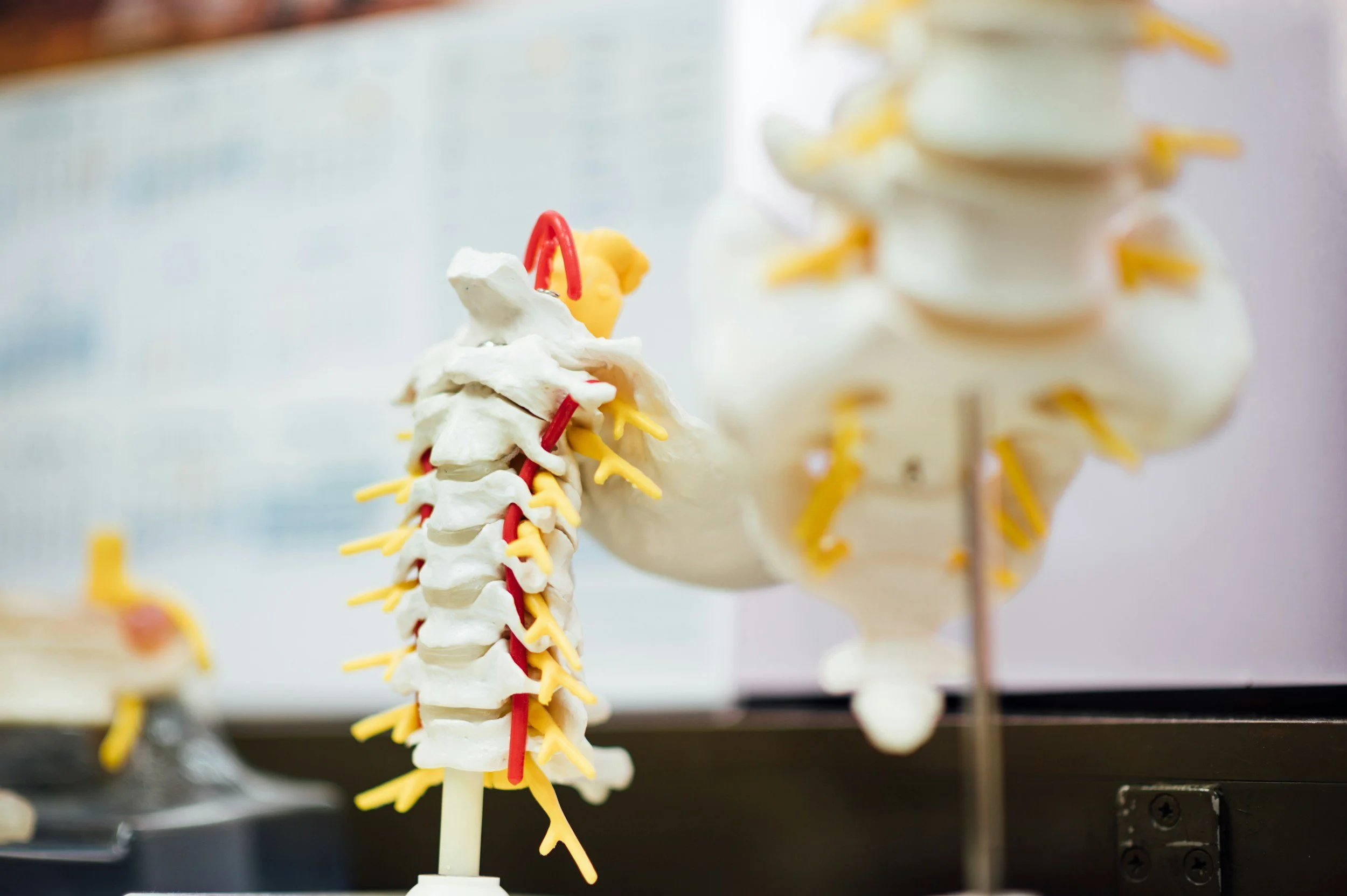
The Biopsychosocial Model of Pain: Understanding Pain in Context
Chronic pain is influenced by more than injury or physical pathology alone. The biopsychosocial model explains how biological, psychological, and social factors interact to shape pain, recovery, and quality of life, supporting a more effective and personalised approach to pain management.

PTSD, Developmental Trauma and Chronic Pain
PTSD and developmental trauma can significantly influence chronic pain, pain sensitivity, sleep, mood, and recovery. Learn how trauma affects the nervous system and why integrated, trauma-informed pain care can improve function and quality of life.

Depression and Chronic Pain: How to Recognise It—and What Helps
Depression affects up to 40% of people living with chronic pain and can significantly increase pain intensity, disability, and distress. Learn why chronic pain and depression are closely linked, how to recognise the signs, and which treatments may help improve both mood and quality of life.