
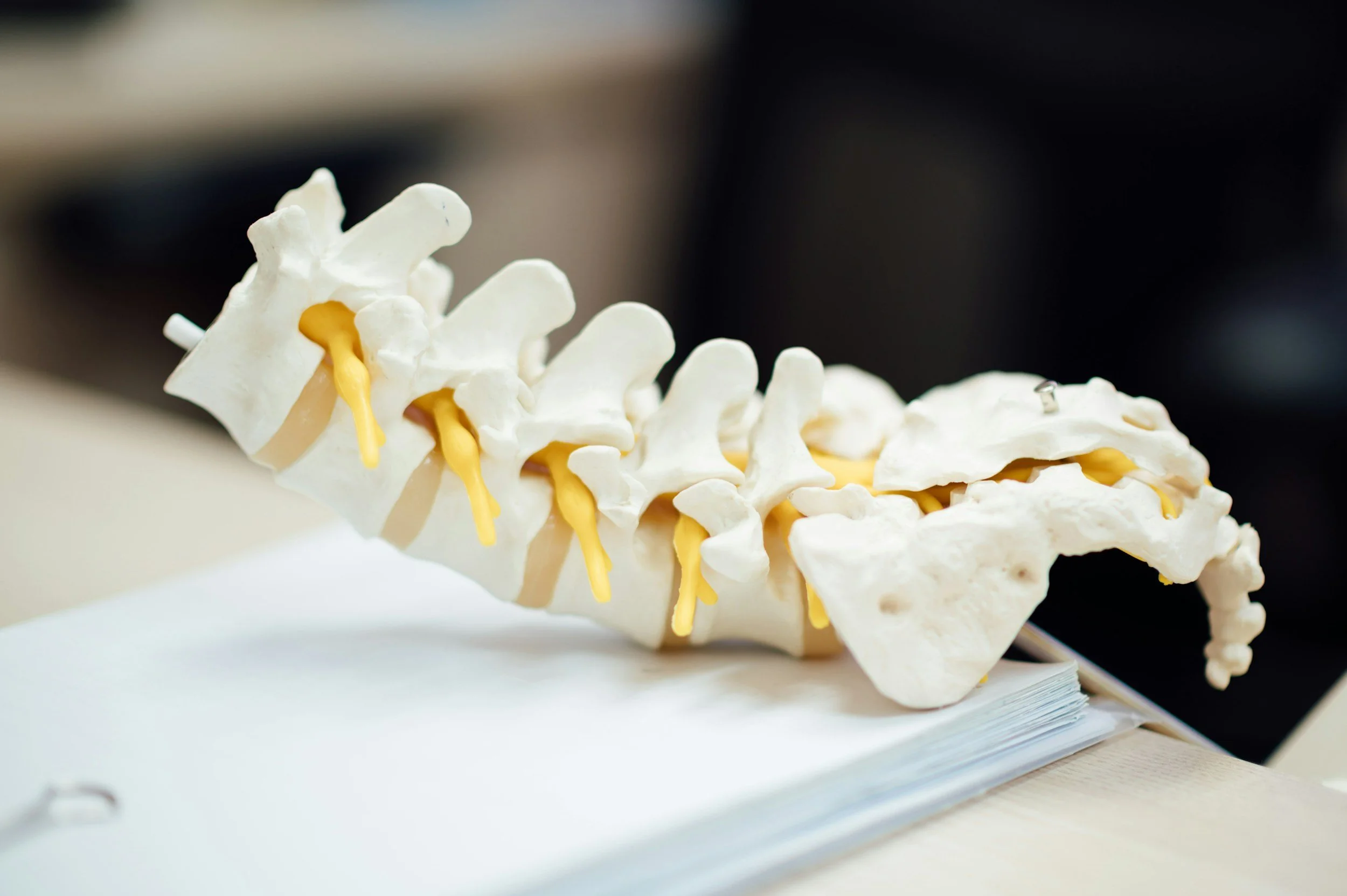
Understanding Chronic Pain: Why Pain Persists After Injury
Why can pain continue long after an injury has healed? Learn how central sensitisation changes the way the nervous system processes pain, why scans don't always explain symptoms, and why a multidisciplinary approach offers the best chance of improving function and quality of life.

Setting Realistic Goals in Pain Management
Setting realistic goals is one of the most effective ways to improve life with chronic pain. Learn how SMART goals, pacing, and focusing on function rather than pain scores can help you regain confidence, increase activity, and improve quality of life.

Opioids and Chronic Pain Management
Opioids can play a role in carefully selected cases of chronic pain, but they also carry significant risks. Learn how opioids work, when they may be appropriate, their limitations, and why they are best used as part of a comprehensive pain management plan.

Medications in Chronic Pain, Benefits and Limitations
Medications can play an important role in chronic pain management when matched to the right condition and combined with other treatments. Learn how different pain medications work, their benefits, limitations and what to expect from long-term treatment.

The Relationship between Pain and Mood
Chronic pain and mood are closely connected. Learn how depression, anxiety and emotional wellbeing influence pain, why this cycle develops, and the evidence-based treatments that can improve both symptoms and daily function.
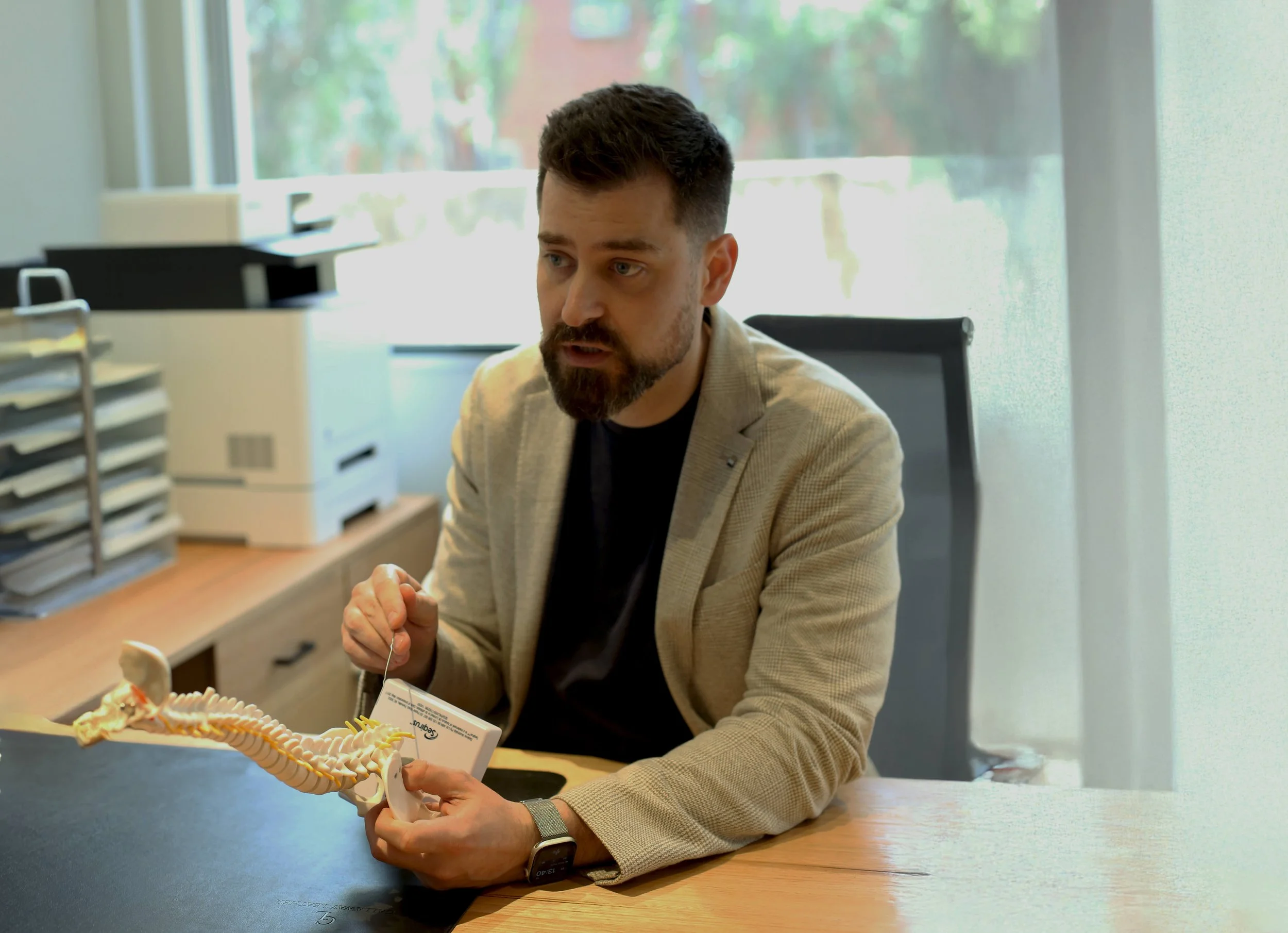
When to Seek Pain Specialist Care
Persistent pain that isn't improving? Learn when it's time to seek specialist pain care, what a pain physician can offer, and how multidisciplinary treatment can help improve function, reduce disability, and support long-term wellbeing.

The Relationship between Chronic Pain, Cognition and Executive Function
Chronic pain affects more than the body. Learn how persistent pain can impact memory, concentration, attention and executive function, why "brain fog" develops, and practical strategies to improve cognitive performance and daily life.
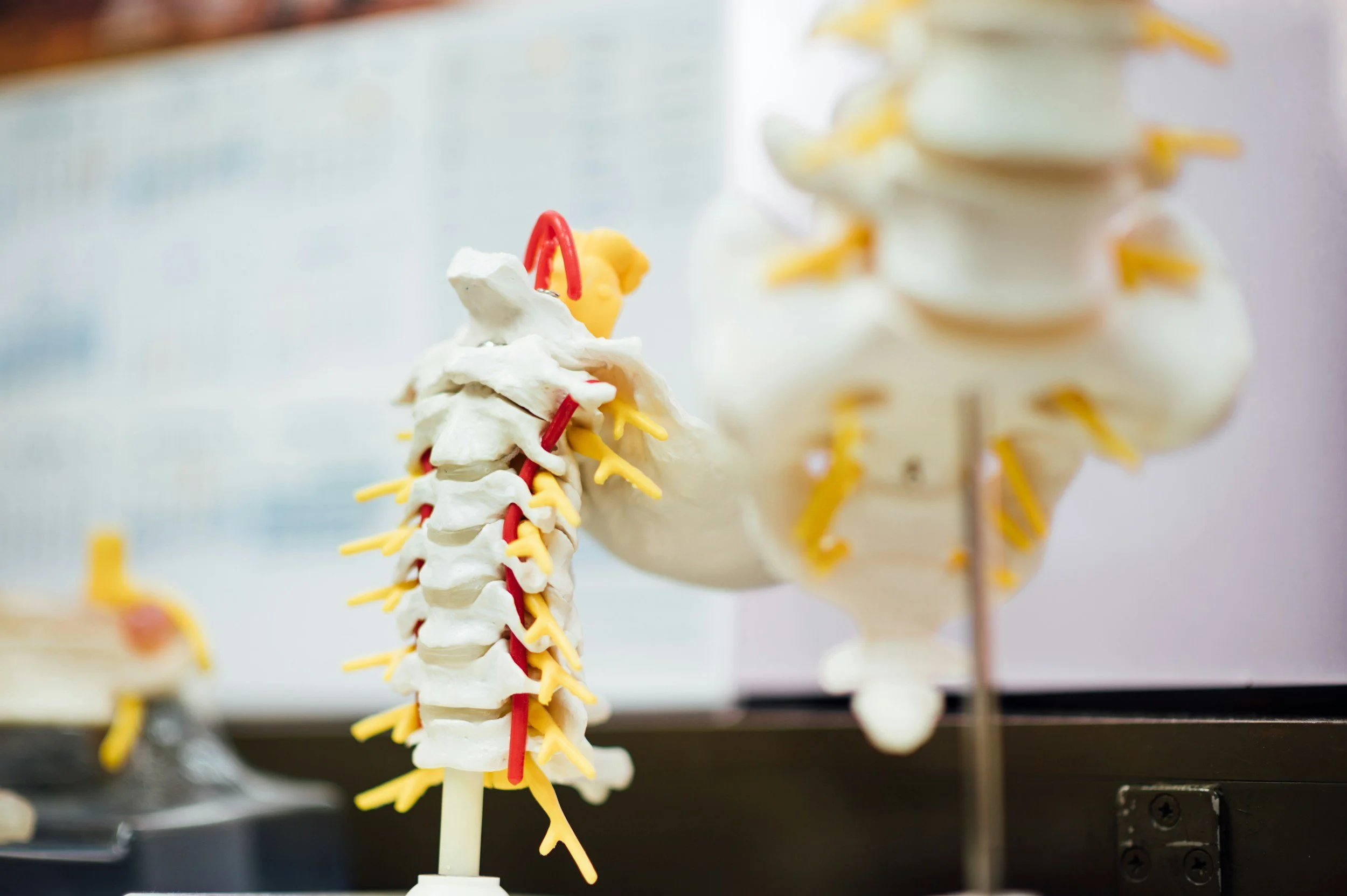
The Biopsychosocial Model of Pain: Understanding Pain in Context
Chronic pain is influenced by more than injury or physical pathology alone. The biopsychosocial model explains how biological, psychological, and social factors interact to shape pain, recovery, and quality of life, supporting a more effective and personalised approach to pain management.

PTSD, Developmental Trauma and Chronic Pain
PTSD and developmental trauma can significantly influence chronic pain, pain sensitivity, sleep, mood, and recovery. Learn how trauma affects the nervous system and why integrated, trauma-informed pain care can improve function and quality of life.

Depression and Chronic Pain: How to Recognise It—and What Helps
Depression affects up to 40% of people living with chronic pain and can significantly increase pain intensity, disability, and distress. Learn why chronic pain and depression are closely linked, how to recognise the signs, and which treatments may help improve both mood and quality of life.

Fibromyalgia and Central Sensitisation Explained: What We Know, What We Do Not Know, and What May Help
Fibromyalgia is a chronic pain condition characterised by widespread pain, fatigue, sleep disturbances, and cognitive difficulties. Modern research shows that central sensitisation—an increased sensitivity of the nervous system—may play a key role in fibromyalgia and why symptoms can be severe even when scans and blood tests appear normal.

Complex regional pain syndrome: symptoms, diagnosis and treatment
Complex Regional Pain Syndrome (CRPS) is a chronic pain condition that can develop after an injury, surgery, or trauma, causing severe pain, sensitivity, swelling, and changes in movement or circulation. Learn about the causes, symptoms, diagnosis, and evidence-based treatment options for CRPS, including rehabilitation, pain medicine, and interventional therapies.

Chronic Pain and the Immune System: What We Know & What We Do Not
The immune system plays a major role in chronic pain through inflammation, neuroinflammation, and immune dysregulation. Discover how immune activity can influence conditions such as neuropathic pain, fibromyalgia, CRPS, and osteoarthritis, and learn about emerging treatments targeting the immune-pain connection.
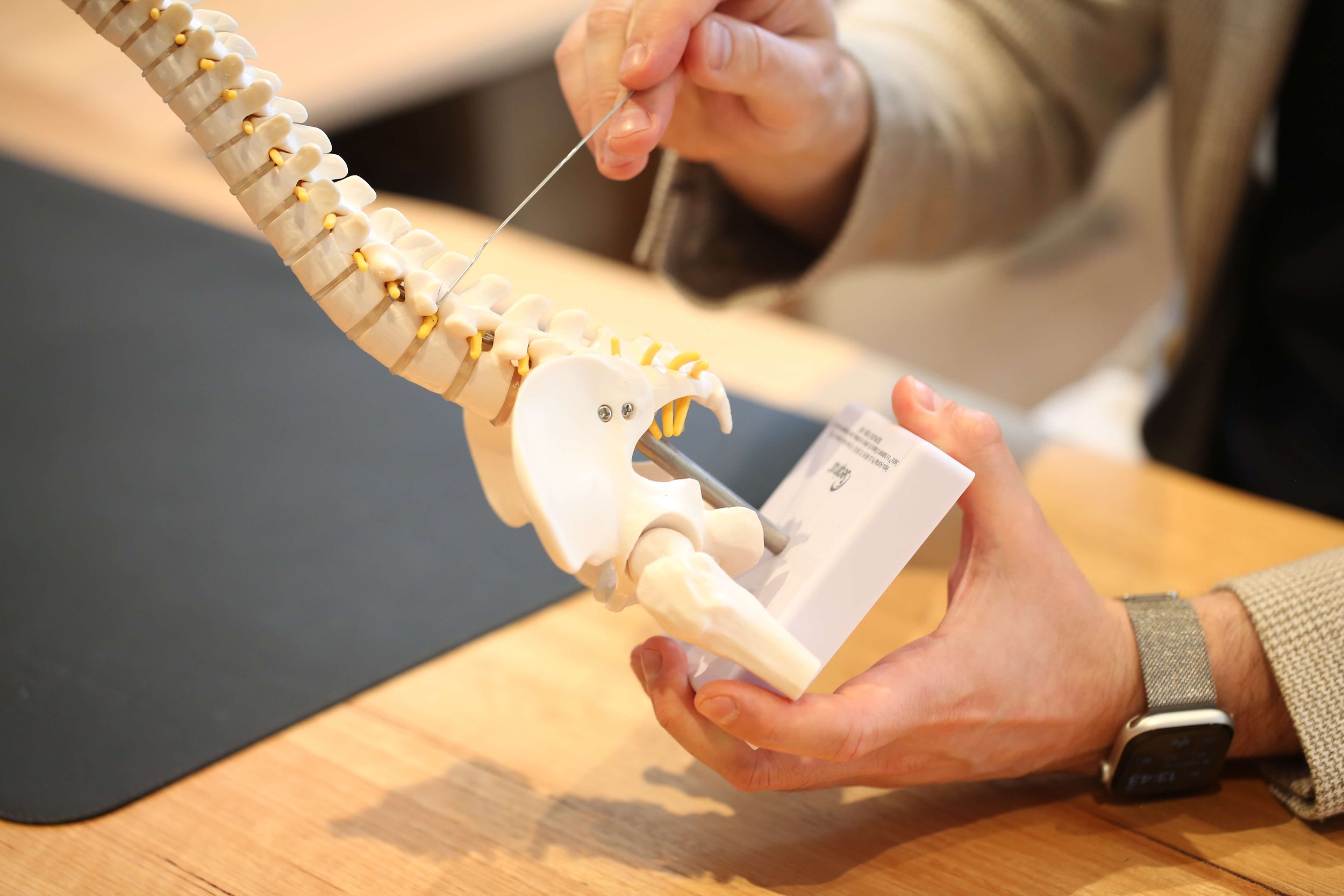
Chronic primary pain: Understanding ICD‑11 and the Difference Between Primary and Secondary Pain
Chronic Primary Pain is a recognised diagnosis in ICD-11, acknowledging that persistent pain can be a condition in its own right. Learn how chronic primary pain differs from secondary pain, why altered nervous system processing matters, and how modern treatments focus on improving function, wellbeing, and quality of life.

Chronic Pain and Sleep: Understanding the Two-Way Relationship
Chronic pain and poor sleep often reinforce each other, creating a cycle of increased pain sensitivity, fatigue, mood changes, and reduced quality of life. Learn how sleep affects pain, why chronic pain disrupts rest, and evidence-based strategies that can improve both sleep quality and pain management.
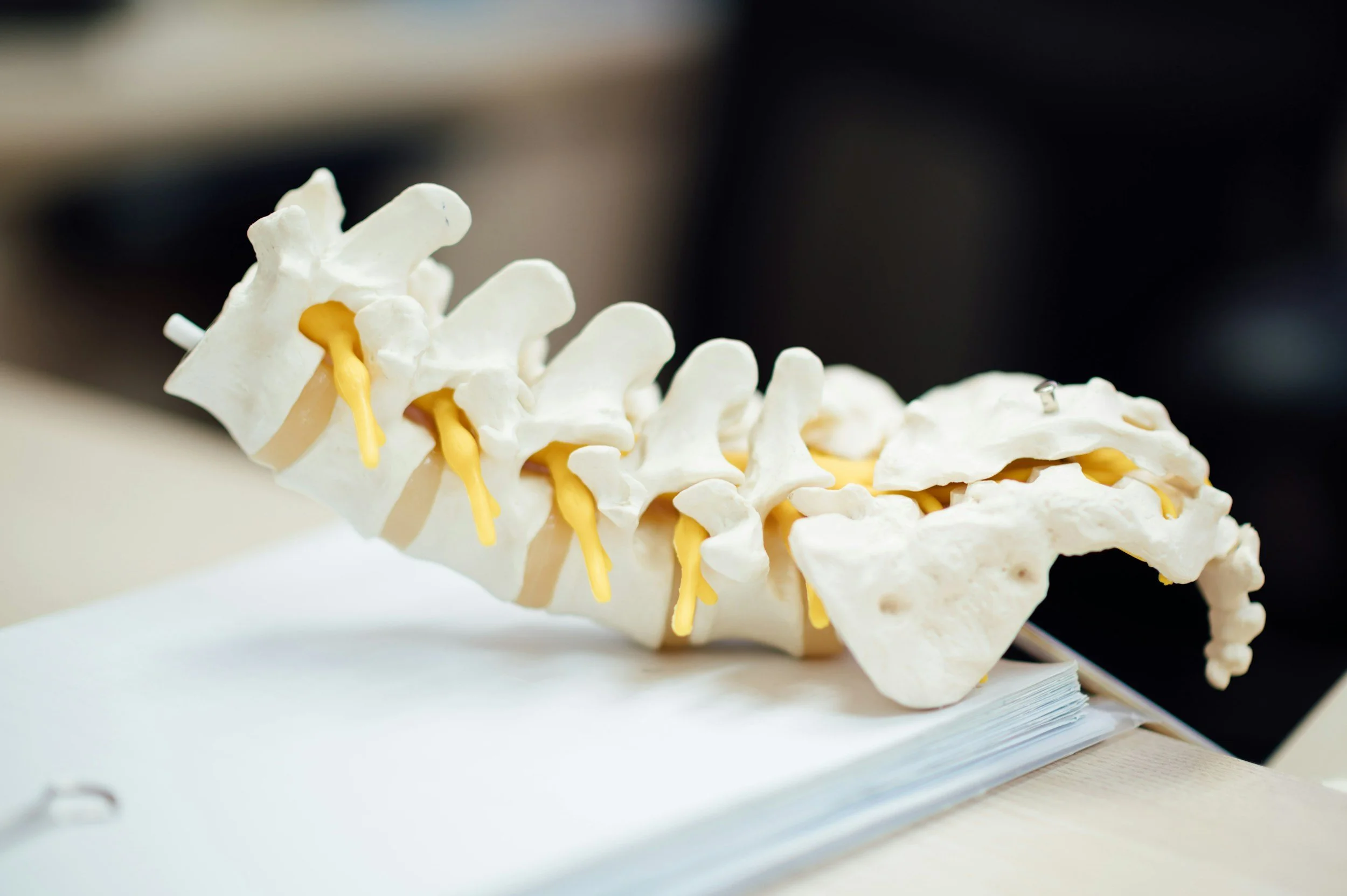
Chronic Neuropathic Pain: Mechanisms and Common Subtypes
Neuropathic pain occurs when nerves themselves become damaged or dysfunctional, creating pain signals that persist long after an injury has healed. Learn about common neuropathic pain conditions, including diabetic neuropathy, postherpetic neuralgia, trigeminal neuralgia, and central neuropathic pain, as well as the biological mechanisms that drive ongoing symptoms.
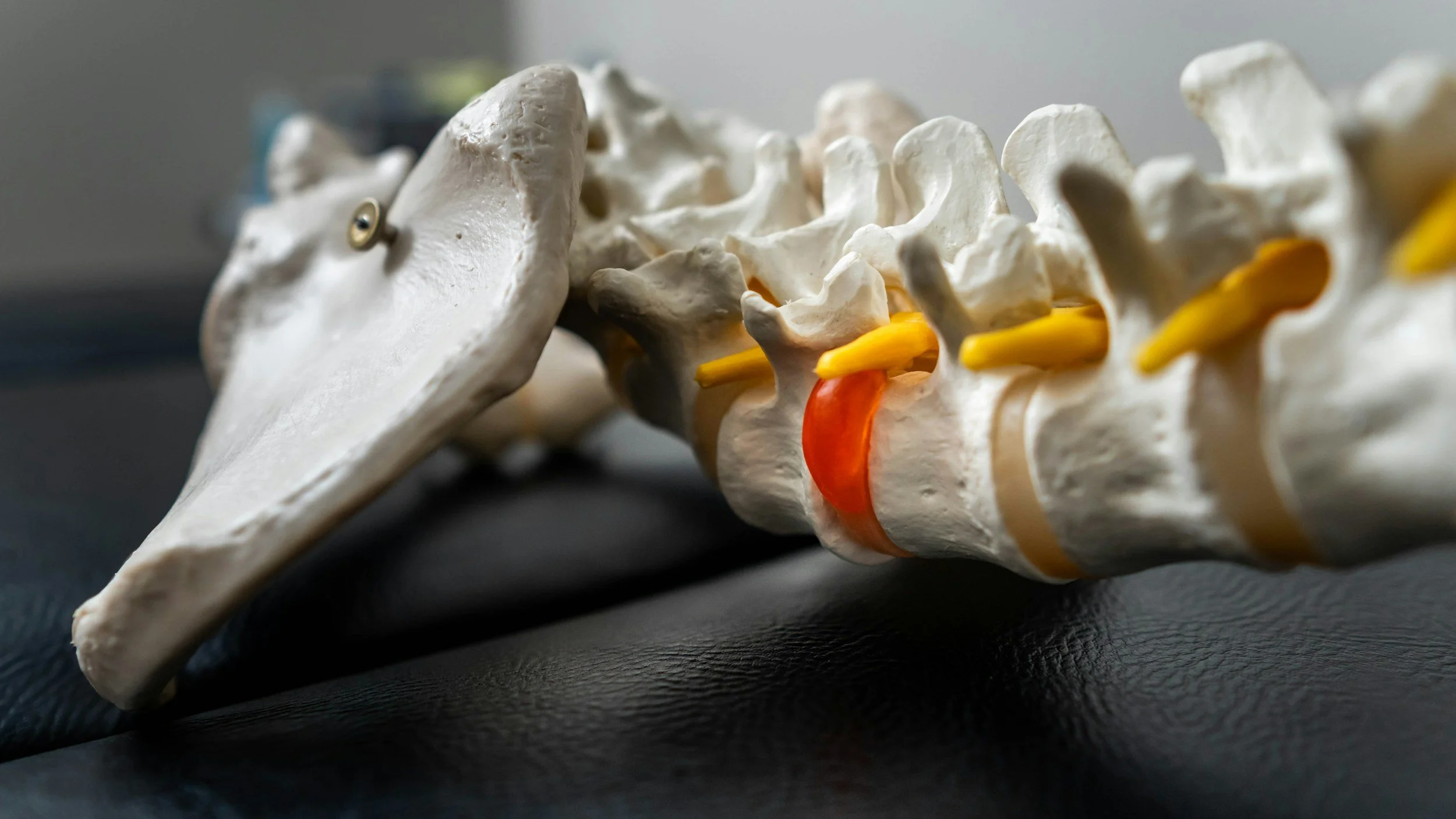
Chronic Low Back Pain: Understanding the Condition, Treatment Options and the Role of Procedures
Chronic lower back pain is one of the most common causes of persistent pain and disability. This article explores why back pain occurs, when specialist assessment may be helpful, and the evidence-based treatment options available, including education, rehabilitation, medication review, and interventional pain procedures.

Chronic Headache and Facial Pain
Chronic headache and facial pain can significantly affect daily life, work, and wellbeing. Learn about common conditions such as migraine, chronic tension-type headache, cluster headache, temporomandibular disorders (TMD), and how a comprehensive pain medicine approach can support assessment and management.